
Denver Steak: Tender Cut, Flavor & Cooking Guide
Denver steak is a flavorful beef cut that has earned attention among home cooks looking for something beyond traditional ribeye, strip, or tenderloin. Known for its noticeable marbling, rich beef flavor, and appealing tenderness, this chuck cut can deliver an impressive steak experience when handled properly. Its combination of texture, flavor, and versatility also makes it an interesting option for everyday dinners, weekend grilling, and special meals.
For anyone asking what is a Denver steak, the answer begins with its location on the animal. This cut comes from the chuck primal, specifically the under-blade region near the shoulder. While many chuck muscles are associated with slow cooking, the particular muscle used for this steak has characteristics that make it suitable for relatively quick cooking. Understanding its structure helps explain why preparation and slicing are so important.
What Is a Denver Steak?
A Denver steak is a beef cut taken from the serratus ventralis muscle in the chuck under-blade area. It is recognized for its intramuscular marbling, beef-forward flavor, and texture that can become pleasantly tender with the right cooking technique. Unlike tougher chuck cuts designed primarily for braising, this steak can be treated more like a conventional steak when it has been properly trimmed.
The appeal of a Denver steak comes from the balance between its origin and eating qualities. The chuck is known for flavorful muscles that perform a great deal of work, but careful butchering can identify sections that are better suited to steak preparation. When cooked over strong heat and sliced correctly, the result can have a browned crust, juicy center, and satisfying beef flavor.
Understanding the Denver Steak Cut
The Denver steak cut is located beneath the shoulder blade within the chuck primal. Its muscle structure gives it a distinctive grain that cooks should pay attention to before and after cooking. The visible marbling can contribute moisture and richness as the steak heats, while proper trimming can remove unwanted connective tissue without sacrificing the fat that helps develop flavor.
When purchasing a Denver steak, look for a piece with consistent thickness and good distribution of marbling. A steak with excessive surface fat or thick connective tissue may require additional trimming before cooking. Thickness matters as well because a thin steak cooks quickly, while a thicker piece may benefit from a two-stage cooking method that allows the center to reach the desired temperature without burning the exterior.
What Does Denver Steak Taste Like?
Denver steak has a rich, beefy taste that makes it particularly appealing to people who enjoy pronounced steak flavor. Its marbling can create a juicy, savory character as the fat renders during cooking. Simple seasoning with salt and black pepper is often enough to showcase the meat, although herbs, garlic, dry rubs, and sauces can add different dimensions when used carefully.
The texture of a Denver steak can be tender and satisfying when the meat is cooked appropriately. It has a different structure from loin-based cuts, so the grain remains important when serving. Cutting across the grain shortens the muscle fibers and can make each bite easier to chew. Cooking temperature, steak thickness, resting time, and slicing technique all influence the final experience.
How Tender Is Denver Steak?

The tenderness of Denver steak depends on several factors rather than the name of the cut alone. Quality, marbling, trimming, cooking temperature, and slicing direction can all influence how the steak feels when eaten. A properly prepared piece can be surprisingly tender for a chuck-derived cut, especially when it is cooked without excessive heat exposure that could dry out the interior.
One of the most useful techniques is identifying the grain before slicing. Once the steak has rested, examine the direction of the visible muscle fibers and cut perpendicular to them. This approach shortens the fibers and improves the perceived tenderness. Overcooking should also be avoided because prolonged exposure to high temperatures can reduce moisture and make the meat firmer.
How to Choose and Prepare Denver Steak
Choosing a good Denver steak starts with examining its appearance. Look for visible marbling distributed through the meat rather than relying solely on a thick layer of exterior fat. The steak should have a fresh appearance and reasonably uniform thickness. If purchasing from a butcher, ask about trimming and whether any connective tissue needs to be removed before cooking.
Preparation can remain simple. Pat the steak thoroughly dry with paper towels, then season both sides with kosher salt and freshly ground black pepper. Drying the surface is especially important because excess moisture can interfere with browning. Allow the steak to sit briefly before cooking while maintaining appropriate food-safety practices. A straightforward preparation lets the natural beef flavor remain the centerpiece.
Best Ways to Cook Denver Steak
Pan-searing is one of the easiest ways to cook Denver steak at home. A heavy skillet, preferably one capable of retaining heat, can create the strong surface temperature needed for browning. Add a small amount of neutral high-heat oil, place the dry seasoned steak into the hot pan, and let the surface develop a deep crust before turning it.
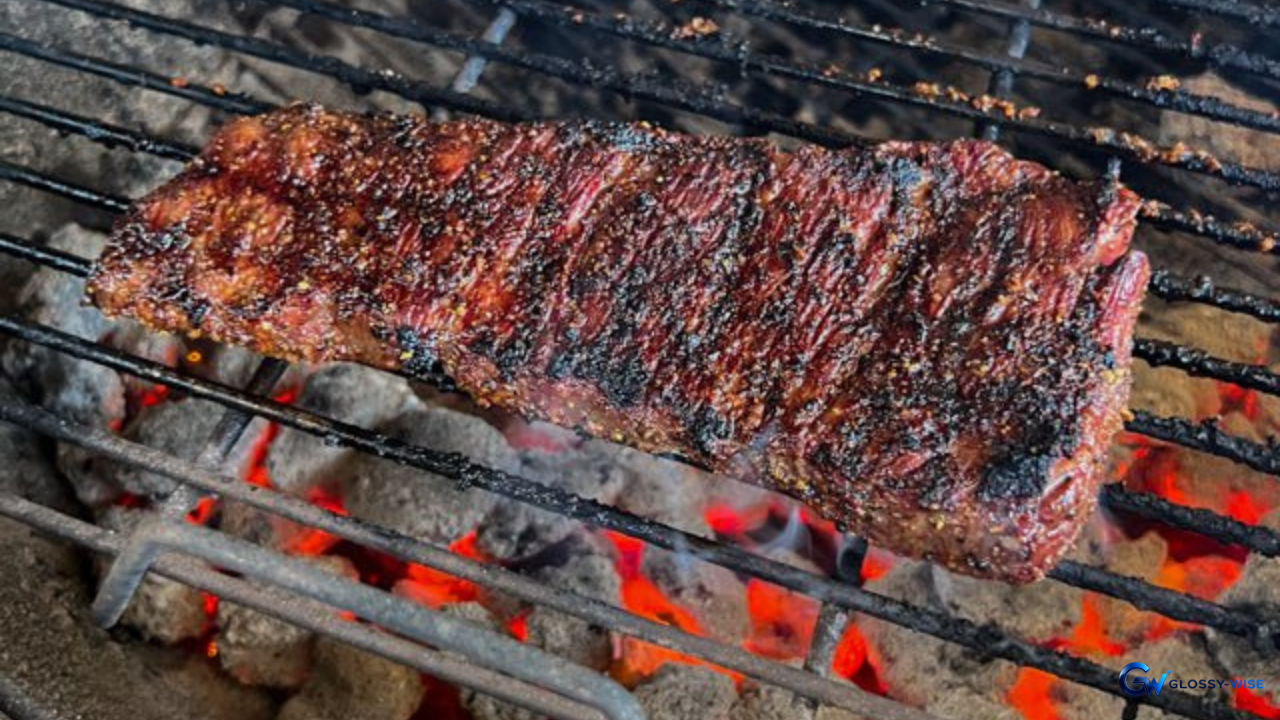
Grilling is another excellent approach for cooks who enjoy smoky flavors and outdoor cooking. Preheat the grill properly and use direct heat to create browning while monitoring the interior carefully. Thicker steaks can also be finished in the oven or prepared with a reverse-searing technique. Regardless of the method, an instant-read thermometer provides more consistent results than relying on cooking time alone.
Denver Steak Recipe for a Simple Pan Sear
A practical Denver steak recipe can use only a handful of ingredients: the steak, kosher salt, black pepper, neutral cooking oil, and optional butter, garlic, and fresh herbs. Begin by drying the meat and seasoning it evenly. Heat a heavy skillet until it is hot enough to encourage rapid browning, then carefully add the steak and allow the first side to develop a flavorful crust.
Turn the steak and continue cooking until it approaches the preferred internal temperature. For additional flavor, add butter, lightly crushed garlic, and herbs such as thyme during the final stage, then spoon the melted butter over the meat. Remove the steak from the skillet and let it rest before slicing. Cutting across the grain helps create a more enjoyable texture.
Denver Steak Doneness and Internal Temperature
Temperature control is more dependable than a fixed cooking time because steaks vary in thickness, starting temperature, and cooking equipment. A thermometer inserted into the thickest section can help determine when the meat is approaching the desired level of doneness. For medium-rare, many cooks aim for an internal temperature in the neighborhood of 125°F to 130°F, depending on the desired final result and carryover cooking.
If you prefer medium or a more thoroughly cooked steak, continue heating until the appropriate internal temperature is reached for your preference and food-safety needs. Remember that the temperature can continue rising after the steak leaves the pan or grill. Resting the meat for several minutes allows the cooking process to settle and makes it easier to slice cleanly.
Common Cooking Mistakes to Avoid
One frequent mistake when preparing Denver steak is putting wet meat directly into a hot skillet. Surface moisture must evaporate before effective browning can occur, so drying the steak beforehand is a small step with a noticeable impact. Another mistake is failing to preheat the cooking surface, which can leave the exterior pale and encourage the steak to release moisture rather than develop a strong crust.
Overcooking is another issue that can negatively affect texture. Instead of following a recipe’s cooking time blindly, consider the thickness of the steak and monitor its internal temperature. Cutting the meat immediately after cooking can also release juices, while slicing with the grain can make the steak seem chewier. Resting and slicing correctly are simple finishing techniques worth taking seriously.
Seasonings, Sauces, and Marinades
Classic seasoning remains one of the best ways to prepare Denver steak because salt and pepper enhance rather than hide the beef’s natural flavor. Garlic powder, onion powder, smoked paprika, rosemary, thyme, and other spices can be incorporated into a dry rub for a more pronounced flavor profile. Use seasoning thoughtfully so the marbling and beef character remain noticeable.
Sauces can provide contrast or an additional layer of richness. A herb-forward chimichurri can bring freshness, while a simple pan sauce can complement the browned crust. Compound butter is another easy finishing option. Marinades may be useful when a particular flavor profile is desired, but a well-marbled steak does not necessarily require a complicated marinade to produce a flavorful meal.
What to Serve With Denver Steak
Classic sides can turn a Denver steak dinner into a complete meal. Roasted potatoes, mashed potatoes, grilled vegetables, asparagus, corn, and crisp green salads all provide different textures and flavors. Richer sides can emphasize the steak’s savory character, while vegetables with acidity or fresh herbs can create balance. The best combination depends on the seasoning and cooking method used for the meat.
Leftover Denver steak can also become the foundation for another meal rather than simply being reheated as-is. Thin slices work well in steak sandwiches, tacos, salads, wraps, and grain bowls. When reheating leftovers, use gentle heat and avoid prolonged cooking to help preserve moisture. Alternatively, chilled slices can be added directly to salads or other dishes.
Denver Steak Compared With Other Cuts
Denver steak differs from ribeye because the two cuts come from different parts of the animal and have distinct muscle structures. Ribeye is associated with the rib section and is widely recognized for its rich marbling and characteristic texture. Denver steak comes from the chuck under-blade area and offers a different balance of marbling, beef flavor, and texture that appeals to cooks exploring less familiar cuts.
It can also be compared with flat iron, strip steak, and traditional chuck steak. Flat iron comes from another shoulder muscle, strip steak originates from the loin, and conventional chuck steak may contain more connective tissue requiring slower cooking. These differences affect preparation, texture, and ideal cooking techniques. Understanding those distinctions helps shoppers select a cut according to the type of meal they want to prepare.
Conclusion
Denver steak offers an appealing combination of beefy flavor, marbling, versatility, and approachable preparation. Although it comes from the chuck primal, its specific muscle structure makes it different from many traditional chuck cuts. With careful selection, proper seasoning, controlled heat, and attention to the grain, home cooks can turn this lesser-known cut into a satisfying steak dinner.
The key is to keep the process simple while paying attention to the details that matter. Dry the meat before seasoning, use sufficient heat for browning, monitor the internal temperature, allow the cooked steak to rest, and slice across the grain. These techniques make it easier to enjoy the distinctive flavor and texture that have helped Denver steak become an increasingly interesting choice for steak lovers.
Frequently Asked Questions
What is a Denver steak?
A Denver steak is a well-marbled beef cut from the under-blade portion of the chuck primal, known for its rich flavor and potential tenderness.
Where does Denver steak come from?
It comes from the serratus ventralis muscle in the chuck under-blade area near the shoulder.
Is Denver steak tender?
It can be quite tender when properly trimmed, cooked carefully, rested, and sliced against the grain.
What does Denver steak taste like?
It has a rich, beef-forward flavor with marbling that contributes juiciness and savory richness.
What is the best way to cook Denver steak?
Pan-searing and grilling are practical methods because they provide strong heat for browning while allowing control over internal temperature.
Can Denver steak be grilled?
Yes, grilling can give the steak a flavorful crust and smoky character when heat and doneness are managed carefully.
How do you make Denver steak tender?
Avoid overcooking, allow the meat to rest after cooking, and slice perpendicular to the muscle grain for a more tender bite.
What is a simple Denver steak recipe?
Season the steak with salt and pepper, sear it in a hot skillet with oil, optionally baste with butter and herbs, then rest and slice against the grain.
Also Read: switch rom