
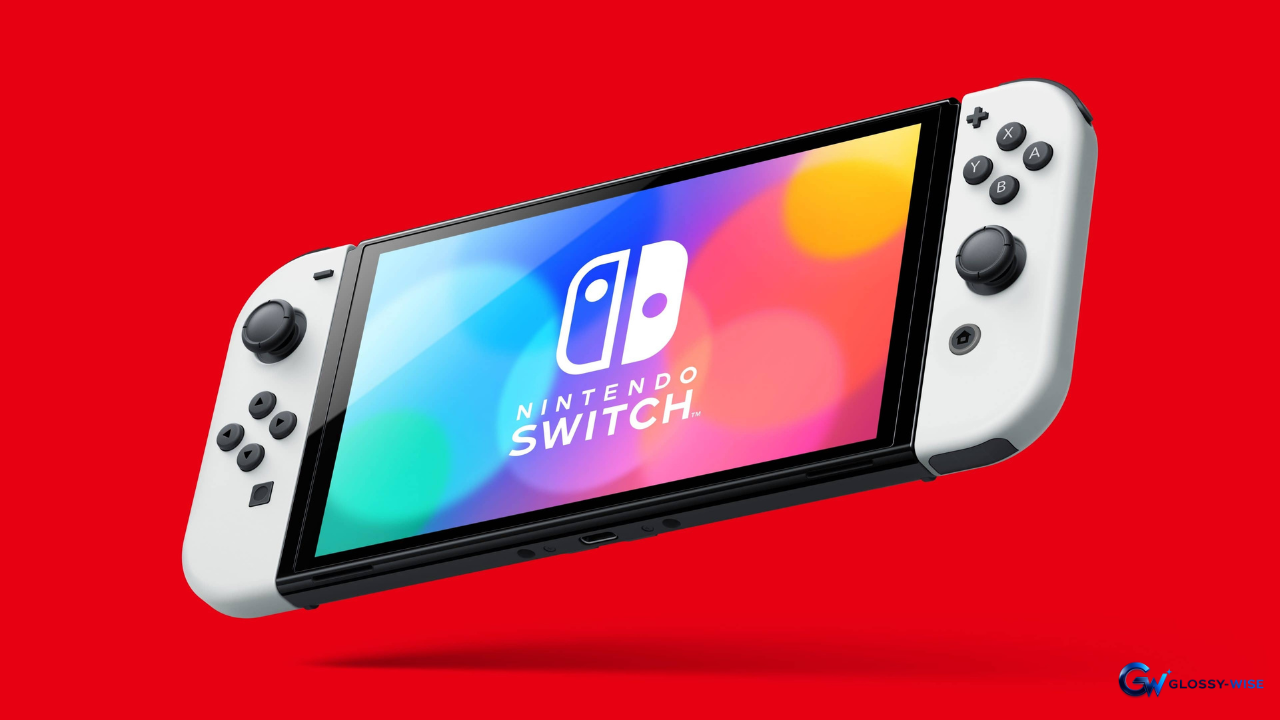
Switch ROM: Complete Guide to NSP, XCI & Emulators
A Switch ROM is a term commonly used across gaming, emulation, and digital preservation communities to describe a digital representation of Nintendo Switch game software. People searching for a Switch ROM may be interested in understanding game-file formats, emulator compatibility, personal backups, or preservation. Because these topics can overlap, it is important to understand the difference between an officially obtained game, a personal backup, and an unauthorized copy distributed online.
The popularity of Switch ROM searches has grown alongside interest in playing and preserving Nintendo Switch software across different environments. A Nintendo Switch ROM can involve different file structures and formats, with NSP and XCI being two of the most frequently discussed. Understanding these formats, their general purposes, and their compatibility requirements can help readers navigate technical information without confusing a game file with an official Nintendo distribution.
What Is a Nintendo Switch ROM?
In everyday gaming terminology, a Switch ROM generally refers to a digital game image or software file associated with Nintendo Switch games. The word ROM originally described read-only memory containing software, but modern gaming communities often use it more broadly for files representing console games. The terminology can therefore be somewhat informal, particularly when people discuss emulation, backups, preservation, or the technical structure of console software.
When someone searches for a Nintendo Switch ROM, their actual goal may vary considerably. Some users want to understand emulation, while others are researching game preservation or the differences between file formats. These distinctions matter because purchasing a game does not necessarily provide unlimited rights to redistribute its files. Copyright, licensing, and applicable laws should always be considered before copying, downloading, or sharing copyrighted game software.
NSP and XCI Formats Explained
NSP and XCI are two formats frequently associated with Switch ROM discussions, although they represent different types of game data and may be handled differently by compatible software. NSP files are commonly associated with installable Switch software packages, while XCI files are generally associated with game-card images. The distinction is useful for anyone learning about Nintendo Switch game preservation or investigating why different files appear under the same game title.
Choosing between NSP and XCI is not simply a matter of selecting whichever extension looks preferable. Compatibility can depend on the emulator, software version, game version, operating system, and configuration. Some applications may support particular formats more effectively than others, while updates and additional content can introduce further variables. Anyone researching a Switch ROM should therefore consider the complete software environment rather than judging compatibility from the file extension alone.
Switch ROM Download Searches
A Switch ROM download search can produce a wide variety of websites, forums, videos, and technical discussions. However, the appearance of a file on a website does not automatically mean that downloading or distributing it is authorized. Copyright owners generally control the reproduction and distribution of their software, while exceptions and rules concerning personal copies vary between jurisdictions. Readers should understand the applicable laws before obtaining copyrighted game files from third-party sources.
The phrase Switch ROM downloads can also involve security concerns that have little to do with gaming itself. Unverified websites may contain misleading download buttons, aggressive redirects, browser notification prompts, suspicious archives, or executable programs disguised as game files. A careful approach includes checking the reputation of a source, avoiding unexpected installers, keeping security software current, and treating claims of guaranteed compatibility or completely risk-free downloads with appropriate skepticism.
Switch ROMs and Emulators
A Switch ROM is often discussed alongside emulators because emulation software attempts to reproduce aspects of console hardware and software behavior on another computing platform. Nintendo Switch emulation can involve demanding technical requirements, including processor performance, graphics capability, memory, drivers, operating-system support, and emulator configuration. The quality of the experience can therefore vary substantially between computers and between individual games.
Emulator compatibility is also an evolving technical area. A game may experience crashes, graphical glitches, audio problems, controller issues, loading difficulties, or inconsistent performance depending on the software environment. An emulator update can improve one title while introducing changes elsewhere, making current documentation particularly valuable. Readers researching a Switch ROM should check the relevant emulator’s compatibility information instead of assuming that every game will behave identically across different configurations.
Tomodachi Life Switch ROM Searches
The search phrase Tomodachi Life Switch ROM demonstrates how users often combine an individual game title with a broader ROM-related keyword. When researching a particular game, it is useful to determine whether the title has an official Nintendo Switch release, whether information concerns a different Nintendo platform, and whether a search result refers to an official product, preservation discussion, compatibility report, or unauthorized file.
Game-specific searches can also create confusion when websites use familiar titles to attract visitors to unrelated or potentially unsafe downloads. Anyone researching a Switch ROM for a particular title should verify the game’s official platform information first and then investigate technical compatibility separately. This method makes it easier to identify inaccurate claims about versions, regions, updates, downloadable content, and emulator performance.
Legal Considerations for Switch ROMs
The legal status of a Switch ROM can depend on several factors, including copyright law, licensing agreements, anti-circumvention rules, personal-backup provisions, and the jurisdiction where the activity takes place. There is no single worldwide rule that applies identically to every ROM-related activity. Creating or possessing a personal backup can raise different legal questions from downloading an unauthorized copy or distributing copyrighted game files to other people.
It is also important to understand that owning a physical or digital Nintendo Switch game does not automatically mean a person can redistribute its software. Distribution can involve rights that remain with the copyright holder. Anyone uncertain about the rules should consult authoritative legal resources applicable to their location. A responsible Switch ROM discussion should therefore distinguish game ownership, personal preservation, downloading, copying, and redistribution rather than treating them as interchangeable activities.
Safety When Researching Switch ROM Files
Online game-file searches can expose users to security risks that extend beyond copyright concerns. Some questionable websites use deceptive advertisements, fake download controls, browser notification requests, or files that require unfamiliar software before opening. A legitimate-looking game title does not guarantee that the associated download is authentic. Suspicious executable files deserve particular caution because a game archive should not normally require an unrelated program simply to appear legitimate.
When examining a Switch ROM resource, readers should pay attention to the source, file description, expected format, and unusual installation requirements. Keeping operating systems and security tools updated provides another layer of protection. It is also sensible to avoid websites that request unnecessary personal information or payment details for supposedly free files. Good digital hygiene is especially important when exploring unfamiliar gaming communities and third-party resources.
Understanding Game Versions and Compatibility
Game versions can influence whether a Switch ROM works correctly with a particular emulator or preservation setup. A base game, update, and downloadable content may be represented separately, and different regional releases can contain their own variations. This means that simply finding a file with the correct game title does not guarantee that it corresponds to the version a user expects or that it will function in a particular software environment.
Compatibility can also change as emulators and operating systems develop. Hardware drivers, graphics settings, controller configurations, and emulator updates can all affect results. Rather than assuming that one Switch ROM will work universally, users should identify the game version, check current compatibility documentation, and understand the requirements of their intended environment. This systematic approach is more reliable than relying on generic download descriptions or outdated forum posts.
How to Evaluate Switch ROM Information Online
Reliable research begins by separating technical claims from download claims. A useful source should explain the format, compatibility requirements, software version, or preservation context clearly rather than relying on vague promises. When a website claims that every Switch ROM works perfectly on every emulator, that statement should be viewed cautiously because real-world compatibility depends on many variables and can change over time.
It is also helpful to ask three separate questions when evaluating information: Is the game officially available on the relevant platform? Is the particular copy legally obtained? Is the file technically compatible with the software being considered? These questions prevent confusion between availability, legality, and functionality. A well-informed approach to Switch ROM research focuses on accurate technical details while respecting copyright and avoiding potentially unsafe sources.
Nintendo Switch ROM Preservation
Game preservation is one reason ROM technology remains an important topic among gaming communities. Digital preservation can help researchers and enthusiasts understand how older software was structured and how games behave on historical hardware. However, preservation does not automatically remove copyright restrictions. The ability to preserve or study software can depend on local law, institutional exceptions, ownership, and the specific actions being performed.
For people interested in a Switch ROM from a preservation perspective, keeping original game ownership and legal access in mind is important. Official purchases, legitimate personal backups where permitted, and reputable preservation initiatives can provide more responsible starting points. Technical curiosity and preservation interests are valid reasons to learn about file formats, but those interests should not be confused with unrestricted permission to distribute copyrighted game software.
Choosing the Right Information for Your Needs
Different searches require different kinds of information. Someone searching for Switch ROM downloads may be looking for file-format education, while another person may want to understand emulator compatibility or learn about personal game preservation. Identifying the underlying goal makes research more productive because it prevents users from treating a download page as the answer to a technical, legal, or compatibility question.
The same principle applies when searching for a Nintendo Switch ROM connected to a specific game. Instead of relying on a single third-party listing, readers can verify official game information, investigate relevant emulator documentation, and research applicable copyright rules independently. This layered approach provides a clearer picture of what a file represents, whether it is technically useful, and what considerations should be addressed before using it.
Conclusion
Understanding a Switch ROM involves more than finding a game file with a familiar title. NSP and XCI are important formats, but compatibility depends on software, hardware, game versions, and configuration. Searches involving Switch ROM downloads can also introduce legal and security questions that should not be overlooked. By separating technical information from copyright and safety considerations, readers can approach the subject with greater clarity.
Whether the goal is learning about emulation, understanding Nintendo Switch game formats, researching preservation, or investigating a particular title, reliable information should remain the priority. A Switch ROM should be evaluated according to its format, source, compatibility, and legal context rather than simply its availability online. Careful research, legitimate ownership where applicable, and attention to digital security can make the subject much easier to understand.
Frequently Asked Questions
What is a Switch ROM?
A Switch ROM generally refers to a digital representation or game file associated with Nintendo Switch software and is commonly discussed in emulation and preservation contexts.
What is the difference between NSP and XCI?
NSP is commonly associated with installable Switch software packages, while XCI is generally associated with game-card images.
What does Nintendo Switch ROM mean?
Nintendo Switch ROM is a commonly used term for digital game data or game images associated with Nintendo Switch software.
Is Switch ROM download legal?
The legality of downloading game files depends on copyright law, licensing, ownership, distribution, and the laws applicable in the user’s jurisdiction.
What is a Switch emulator?
A Switch emulator is software designed to reproduce aspects of Nintendo Switch hardware and software behavior on another computing platform.
Are Switch ROM downloads safe?
Downloads from unknown sources can carry security risks, so users should evaluate sources carefully and avoid suspicious files, installers, and deceptive download pages.
What is a Tomodachi Life Switch ROM?
The phrase generally refers to a search for a digital game file associated with Tomodachi Life, although users should verify official platform information and the legitimacy of any file.
Can NSP and XCI files work with emulators?
Compatibility depends on the emulator, its version, the game version, system configuration, and whether the particular format is supported.
Also Read: silver lab