
Glockenspiel: What It Is, How It Sounds & How to Play
The glockenspiel is a fascinating musical instrument celebrated for its bright, sparkling sound and elegant design. As a member of the percussion family, it produces clear, bell-like tones that can transform a simple melody into something magical. From school music classrooms to professional orchestras, this instrument adds a distinctive musical character that captures attention and brings a sense of wonder to different musical compositions.
Whether you are a beginner exploring musical instruments, a music enthusiast interested in percussion, or a traveler curious about the famous Munich Glockenspiel, understanding this instrument opens the door to an exciting world of sound. Its history, construction, and playing techniques reveal why it remains popular across different musical traditions. This guide explores its features, sound, uses, differences from the xylophone, and cultural significance.
What Is a Glockenspiel?
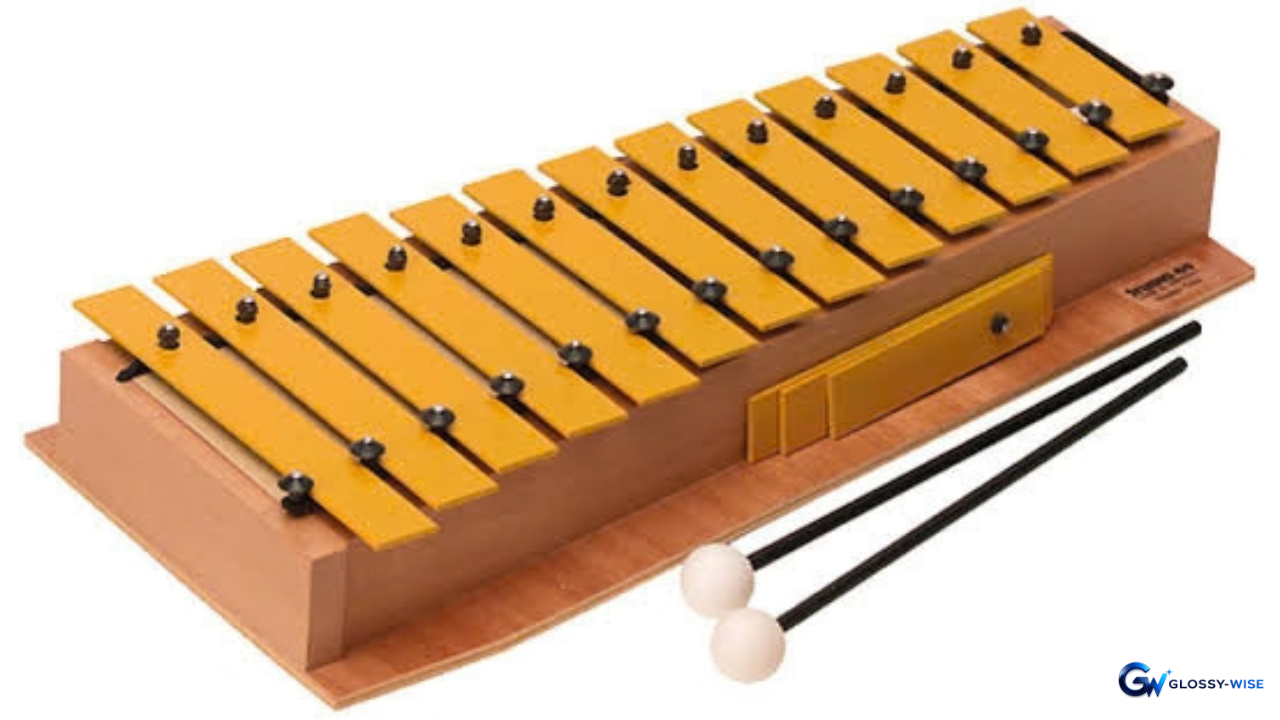
A glockenspiel is a pitched percussion instrument made of metal bars arranged in a frame according to musical notes. Players strike these bars with small mallets to produce clear, high-pitched tones that resemble the sound of tiny bells. The instrument’s name comes from German words meaning “bells” and “play,” reflecting its distinctive musical character and its connection to the bright, ringing sounds associated with traditional bells.
Unlike instruments that produce sound through strings or vibrating air, this percussion instrument creates music when its metal bars vibrate after being struck. Each bar is carefully tuned to produce a specific note, allowing musicians to perform melodies, harmonies, and musical accents. Its sparkling tone makes it especially useful when a composition needs a delicate, bright sound that stands out from other instruments.
Parts and Construction of the Instrument
The main components of a glockenspiel include tuned metal bars, a supporting frame, and a pair of mallets. The bars are typically made from steel or another suitable metal and arranged from lower to higher pitches. Their different lengths and carefully controlled dimensions help produce the correct musical notes when struck, allowing players to perform recognizable melodies with accuracy and consistency.
The frame holds the bars in place while allowing them to vibrate freely. Some models are designed for classrooms and beginners, while professional versions are built for orchestras and concert performances. Mallets also influence the instrument’s sound, with harder materials producing a brighter attack and softer materials creating a gentler tone. These construction features make the instrument adaptable to different musical settings and skill levels.
How Does a Glockenspiel Sound?
The glockenspiel produces a bright, bell-like tone that is easy to recognize. Its notes are typically high-pitched, clear, and resonant, making them stand out in musical arrangements. When a player strikes a metal bar, it vibrates and creates a ringing sound that gradually fades away. This distinctive quality gives the instrument its sparkling musical personality and makes it particularly effective for delicate melodies.
The sound can feel playful, mysterious, cheerful, or dramatic depending on how the instrument is used. In orchestral music, it often adds shimmering accents above other instruments, while in educational settings, it helps students explore pitch and rhythm. Because its notes can remain audible over a full ensemble, musicians use it carefully to emphasize important melodic details and create memorable musical moments.
Glockenspiel vs. Xylophone: Understanding the Difference
The difference between a glockenspiel and a xylophone begins with the materials used to make their bars. A glockenspiel has metal bars that create a bright, ringing tone, while a xylophone uses wooden bars that produce a shorter, more rounded sound. Although both instruments belong to the percussion family, their timbres and musical roles are noticeably different, giving each a distinct place in musical performances.
Another important distinction is their typical pitch range and sound quality. Metal bars generally produce the instrument’s characteristic sparkling tone, while wooden bars often create a warmer and more percussive sound. Both instruments are played with mallets, but the choice of mallet material and playing technique can significantly affect the final sound. Understanding these differences helps beginners identify each instrument and choose one that suits their musical interests.
How to Play a Glockenspiel
Learning to play a glockenspiel can be an enjoyable introduction to music. Beginners should start by identifying the notes on the bars and learning how they correspond to musical pitches. Holding the mallets comfortably and striking each bar with a controlled movement helps produce a clear sound. Starting with simple melodies allows new players to develop coordination, accuracy, and confidence without feeling overwhelmed by complicated musical patterns.
As skills improve, players can practice scales, rhythm patterns, and familiar songs. Using both hands makes it easier to perform more complex melodies and move smoothly between notes. Good technique involves striking the bars near their center and allowing the mallets to rebound naturally. Regular practice improves timing, control, and accuracy while helping musicians explore the instrument’s expressive possibilities and develop a stronger understanding of musical structure.
History and Musical Development
The history of the glockenspiel stretches back to early forms of tuned bells and percussion instruments. Earlier versions used small bells arranged so that musicians could produce a series of musical notes. Over time, metal plates became more common, creating an instrument that was easier to arrange, transport, and use in different musical settings. This development helped establish its distinctive identity within the broader percussion family.
During the development of Western orchestral music, the instrument gained a recognizable place in musical compositions. Composers used its bright tone to create sparkling effects and emphasize delicate passages. Modern versions appear in orchestras, marching bands, educational music programs, and contemporary recordings. Its enduring appeal comes from its distinctive sound, straightforward playing method, and ability to add clarity and brilliance to a musical arrangement.
The Famous Munich Glockenspiel
The Munich Glockenspiel is a celebrated attraction located in the tower of the New Town Hall at Marienplatz in Munich, Germany. Unlike the portable musical instrument used by percussionists, this famous installation is a mechanical carillon featuring bells and moving figures. It presents scenes inspired by Munich’s history and draws visitors who gather in the square to watch its performances and experience a distinctive combination of music, architecture, and tradition.
The performance features two historical scenes: a wedding celebration involving Duke Wilhelm V and Renate of Lorraine, followed by the traditional Schäfflertanz, or coopers’ dance. The installation has 43 bells and combines music with moving figures to tell these stories. Its blend of architecture, sound, and historical storytelling makes it an important cultural attraction in the heart of Munich and a memorable destination for visitors interested in German traditions.
Choosing an Instrument and Caring for It
When choosing a glockenspiel, consider your experience level, musical goals, and available space. Beginners may prefer a compact model with clearly labeled notes, while experienced musicians may need a larger instrument with a wider pitch range. The quality of the bars, stability of the frame, and comfort of the mallets can all influence the playing experience. Comparing these features helps you select an instrument that matches your needs and budget.
Proper care helps maintain the instrument’s sound and appearance. Store it in a dry, safe place and avoid striking the bars with excessive force. Wipe away dust and fingerprints with a soft cloth, following the manufacturer’s cleaning recommendations. Keeping the mallets in good condition and checking the frame regularly can help ensure reliable performance for years while protecting the instrument from unnecessary wear and damage.
The Role of the Instrument in Modern Music
The glockenspiel continues to play an important role in modern music because of its bright, distinctive tone. In orchestras, it can highlight melodies, add sparkling accents, and create delicate musical textures. In school music programs, it introduces students to pitch, rhythm, and percussion techniques. Its clear sound also makes it useful in recordings, where composers may use it to create playful, atmospheric, or dramatic effects.
Beyond traditional orchestral settings, the instrument appears in film scores, theater productions, experimental music, and contemporary arrangements. Musicians appreciate its ability to add a unique layer of sound without requiring complicated playing techniques. Whether used for a short musical accent or a recognizable melody, it offers creative possibilities for performers and composers who want to explore different textures and expressive effects.
Conclusion
The glockenspiel is a distinctive percussion instrument that combines a simple design with a bright, memorable sound. Its tuned metal bars make it suitable for beginners, classroom music activities, orchestral performances, and a variety of modern musical styles. Learning about its construction, sound, and playing techniques helps explain why it remains a familiar and valued part of the percussion family.
From understanding its differences from the xylophone to exploring the famous Munich Glockenspiel, there is much to discover about this instrument and its cultural connections. Whether you want to learn a melody, explore musical history, or appreciate its sparkling tones, the instrument offers an inviting way to experience the beauty of percussion music and discover how a simple arrangement of metal bars can create memorable sounds.
Frequently Asked Questions
What is a glockenspiel used for?
A glockenspiel is used to play melodies, musical accents, and bright decorative passages in orchestras, marching bands, school music programs, and contemporary music.
Is a glockenspiel easy for beginners to learn?
Yes, beginners can learn it by practicing simple melodies, identifying notes, and developing basic mallet coordination.
What is the difference between a glockenspiel and a xylophone?
A glockenspiel has metal bars that produce a bright, ringing tone, while a xylophone has wooden bars that create a shorter, warmer sound.
Where can you see the Munich Glockenspiel?
The Munich Glockenspiel is located in the tower of the New Town Hall at Marienplatz in Munich, Germany.
How many bells does the Munich Glockenspiel have?
The Munich Glockenspiel features 43 bells and moving figures that present historical scenes from the city’s traditions.
What materials are used to make a glockenspiel?
Its bars are generally made from steel or other suitable metals, while the frame supports the bars and allows them to vibrate.
What mallets are used to play a glockenspiel?
Players typically use small mallets with hard or soft heads, depending on the desired tone and musical effect.
Can a glockenspiel be used in modern music?
Yes, it appears in film scores, contemporary recordings, theater productions, orchestral compositions, and educational music settings.
Also Read: southway housing